

Diet & Services
*
Diet & Services *
Diet
A nutrient-rich diet is vital during cancer treatment, as it supports the immune system, reduces inflammation, and enhances recovery. While every person's body is different, and people have different interactions with different foods, there are a number of factors to consider when finding the right diet for each individual.
-
The Vegan Diet, which excludes all animal products, has gained attention for its potential health benefits, particularly in cancer prevention and management. Evidence suggests that a plant-based diet can lower the risk of developing certain types of cancer and may also help enhance treatment outcomes for cancer patients. The vegan diet is rich in fiber, antioxidants, vitamins, and minerals—all of which support overall health and immune function.

-
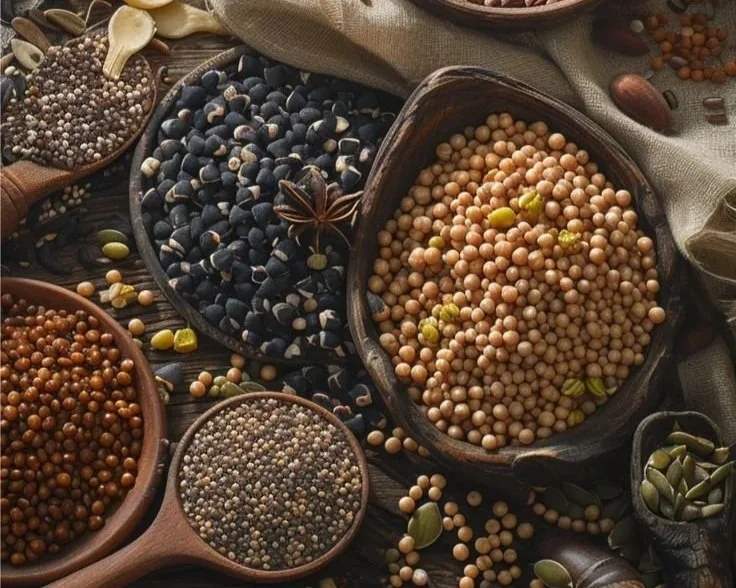
A “whole-foods diet” is a nutrient-dense, anti-inflammatory approach to eating that focuses on unprocessed, natural foods. For those undergoing cancer treatment, proper nutrition is crucial for supporting the immune system, managing side effects, and promoting overall well-being. The Whole Foods diet emphasizes fresh vegetables, fruits, whole grains, healthy fats, and high-quality proteins. The diet decreases or avoids processed foods, refined sugars, and artificial additives.
-
Intermittent fasting (IF) is a dietary practice that alternates between periods of eating and fasting. Unlike traditional diets that focus on what to eat, IF emphasizes when to eat.

-
The ketogenic diet (or keto diet) has gained considerable attention in recent years as a potential complementary approach to cancer treatment. Originally developed in the 1920’s as a treatment for epilepsy, the diet is characterized by a high-fat, very low-carbohydrate, and moderate-protein intake. The goal is to shift the body’s metabolism from glucose-based energy to ketones, which are produced when the liver breaks down fat for fuel in the absence of sufficient carbohydrates.

-
Water fasting is a practice where individuals consume only water for a set period. It has gained attention for its potential therapeutic benefits, including its effects on cancer. However, it's important to note that while some preliminary research is promising, water fasting as a cancer treatment or adjunct therapy is not yet widely accepted in mainstream medicine.

-
Choosing the right type of water during cancer treatment or recovery is essential for hydration, supporting overall health, and minimizing exposure to contaminants.

-
The Paleo diet is often discussed as a potential supportive diet for cancer patients because of its emphasis on whole, unprocessed foods that may help reduce inflammation and improve overall health. However, its benefits and risks during cancer treatment depend on the type of cancer, the treatments being used (chemotherapy, radiation, surgery, immunotherapy), and individual nutritional needs.

-
Juice fasting involves consuming only fresh, nutrient-dense fruit and vegetable juices for a period of time, usually ranging from a few days to weeks. This practice is based on the idea that liquid nutrition can provide the body with easily digestible vitamins, minerals, and antioxidants, while giving the digestive system a rest and potentially aiding detoxification. For cancer patients, juice fasting is sometimes used as a complementary therapy to support overall health and potentially help the body cope with the side effects of conventional cancer treatments like chemotherapy and radiation.

-
When considering a diet that may support autophagy (the process of cellular cleanup and recycling of damaged cells) in the context of cancer prevention or treatment, it’s important to focus on foods and dietary practices that promote a healthy balance between reducing oxidative stress, inflammation, increasing nutrient density, and enhancing the body’s natural repair mechanisms. Autophagy plays a role in eliminating malfunctioning or damaged cells, which could include potential cancer cells.

Body
Exercise and body-focused therapies can significantly aid in cancer treatment by improving physical strength, reducing fatigue, and enhancing emotional well-being.
-
Exercise during cancer treatment has been shown to significantly improve both physical and emotional well-being. Key forms of exercise include walking, yoga, resistance training, swimming, rebounding, vibration plates and mind-body practices like Tai Chi or Qigong.

-
Cold plunges, or cold water immersion, have gained popularity for their potential health benefits. While there is no direct evidence that cold plunges cure or treat cancer, they may offer indirect benefits that could support the body during cancer treatment.

-
Yoga is a mind-body practice that combines physical postures, controlled breathing, meditation, and relaxation techniques. It has origins in ancient India and is widely used to promote overall health, flexibility, strength, and mental well-being. For individuals going through cancer, yoga can help reduce stress, manage treatment side effects, improve mood, and enhance quality of life.

-
Qi Gong (pronounced “chee-gong”) is an ancient Chinese practice that combines gentle movement, breath control, and meditation to cultivate energy (“Qi”) and promote overall well-being. Rooted in Traditional Chinese Medicine (TCM), Qi Gong is widely recognized for its ability to enhance health, reduce stress, improve mental clarity, support spiritual awareness, and promote longevity.

-
Breathwork is a powerful, natural tool that can help cancer patients manage stress, anxiety, pain, and fatigue. It works by engaging the nervous system, reducing inflammation, and promoting emotional well-being.

Mind
Caring for your mental and emotional well-being is just as important as physical health during cancer treatment. Practices like meditation, music therapy, and cultivating positive thoughts can help reduce stress, improve mood, and even enhance the body’s ability to heal.
-
Meditation can be a powerful complementary tool for managing the physical, emotional, and mental challenges of cancer treatment.

-
Training yourself to think positively during cancer treatment can be challenging but incredibly rewarding for your emotional well-being and overall resilience.

-
Maintaining mental health during cancer treatment is crucial, especially when dealing with negative family, friends, relationships or interpersonal dynamics. Oftentimes well-meaning family or friends can overstep boundaries without realizing it. This can lead to conflicting feelings, confusing thoughts and emotions about types of treatment, care facilities, doctors, etc.

-
Music therapy, particularly the use of specific sound frequencies, is an emerging complementary treatment in cancer care.