Qi Gong for Cancer
Qi Gong: An Ancient Practice for Energy and Wellness
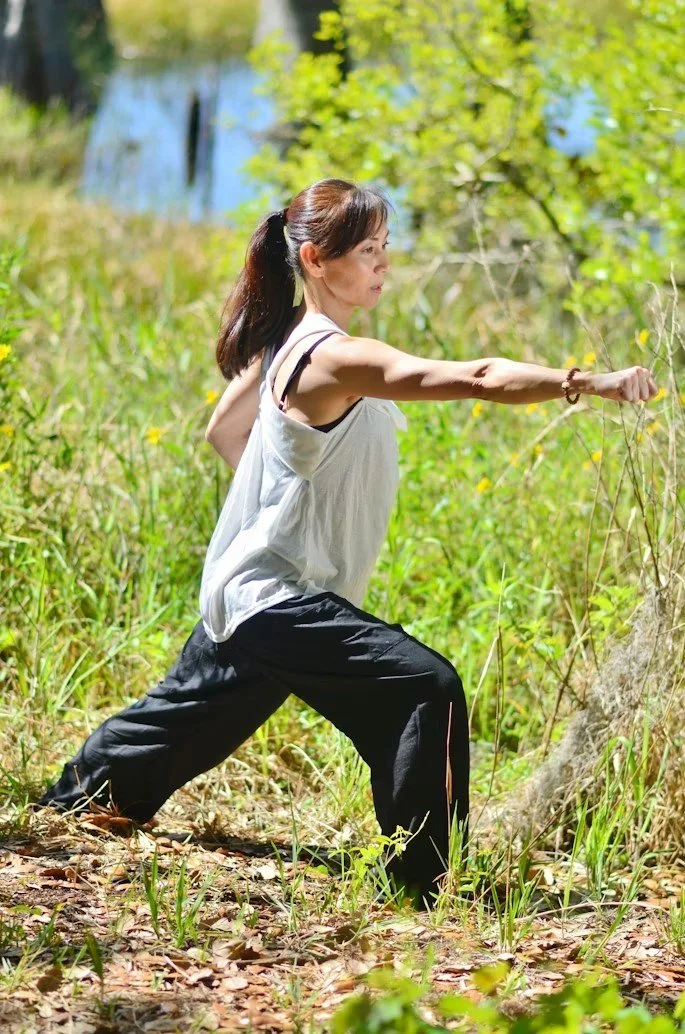
Qi Gong (pronounced “chee-gong”) is an ancient Chinese practice that combines gentle movement, breath control, and meditation to cultivate energy (“Qi”) and promote overall well-being. Rooted in Traditional Chinese Medicine (TCM), Qi Gong is widely recognized for its ability to enhance health, reduce stress, improve mental clarity, support spiritual awareness, and promote longevity.
-
The primary goal of Qi Gong is to promote the smooth flow of qi throughout the body’s energy channels (meridians), supporting overall well-being. It is used for:
Improving health by enhancing circulation and reducing stress
Increasing vitality and strengthening the immune system
Supporting emotional balance and mental focus
Aiding in healing by activating the body’s natural energy systems
Spiritual development through meditation and mindfulness
-
Movement – Slow, intentional movements that stimulate energy flow
Breath Control – Deep, rhythmic breathing to regulate qi
Mental Focus – Visualization and mindfulness to direct energy
By practicing Qi Gong, individuals can release blockages, improve organ function, and restore balance within the body. Unlike intense workouts, Qi Gong is gentle and accessible to people of all ages and fitness levels.
-
In short, Qi Gong is a broad practice focused on energy healing, while Tai Chi is a martial art that incorporates Qi Gong principles in its movements.
Both practices can improve health, reduce stress, and enhance energy, but Qi Gong is often used for therapeutic and meditative purposes, making it more accessible for beginners and those looking for a low-impact wellness routine.
-
Qi Gong is known to improve various aspects of physical and mental health. Studies suggest that regular practice can:
• Enhance immune function – Qi Gong has been shown to increase immune cell activity, making the body more resilient to illness.
• Support cardiovascular health – It can lower blood pressure, improve circulation, and reduce the risk of heart disease.
• Improve respiratory function – Controlled breathing techniques help strengthen the lungs, benefiting those with asthma or other respiratory conditions.
• Enhance balance and coordination – This is especially beneficial for older adults, reducing the risk of falls and improving mobility.
-
Qi Gong is often associated with longevity due to its ability to balance and restore the body’s energy. Its benefits include:
• Reducing inflammation – Chronic inflammation is a key driver of aging and disease, and Qi Gong has been shown to lower inflammatory markers.
• Enhancing cellular repair – Gentle movement and breathwork promote better circulation and oxygenation, supporting cell regeneration.
•Regulating stress hormones – By reducing cortisol levels, Qi Gong helps prevent chronic stress-related diseases that contribute to premature aging.
-
One of Qi Gong’s most well-known benefits is its ability to calm the mind and relieve stress. Key mental health benefits include:
• Reducing anxiety and depression – Qi Gong promotes relaxation and mindfulness, helping to alleviate symptoms of anxiety and mood disorders.
• Enhancing focus and clarity – Regular practice has been linked to improved cognitive function and mental sharpness.
•Encouraging emotional resilience – Qi Gong fosters inner peace, making it easier to manage daily stressors and maintain emotional balance.
Conclusion:
Qi Gong is a holistic practice that nurtures both body and mind, supporting long-term health, longevity, and stress relief. Whether you’re looking to boost immunity, improve energy, or find a sense of calm in daily life, Qi Gong offers a simple yet powerful tool for well-being.
References & Further Reading:
Harvard Medical School – The Health Benefits of Tai Chi and Qi Gong
National Center for Complementary and Integrative Health – Qi Gong and Tai Chi: Overview
Frontiers in Medicine –Effects of Qi Gong on Mental and Physical Health
Disclaimer:
The information provided on this website is for educational and informational purposes only and is not intended as medical advice. While we strive to provide accurate, up-to-date information on various cancer therapies, including both traditional and alternative options, this content should not be used as a substitute for professional medical consultation, diagnosis, or treatment.
We strongly recommend that users consult with qualified healthcare providers before making any healthcare decisions, including but not limited to: starting or stopping any new or existing cancer treatments. Every individual’s health situation is unique, and only a licensed medical professional can provide tailored guidance.
Our goal is to inform and empower, but we cannot guarantee the effectiveness or safety of any therapy discussed on this site. Reliance on any information provided by this website is solely at your own risk.
Some content on this website has been generated or assisted by artificial intelligence, and then has been internally reviewed. Any resemblance to copyrighted material is purely coincidental and unintentional. If you believe any content infringes on intellectual property rights, please contact us for resolution.