
Chemotherapy
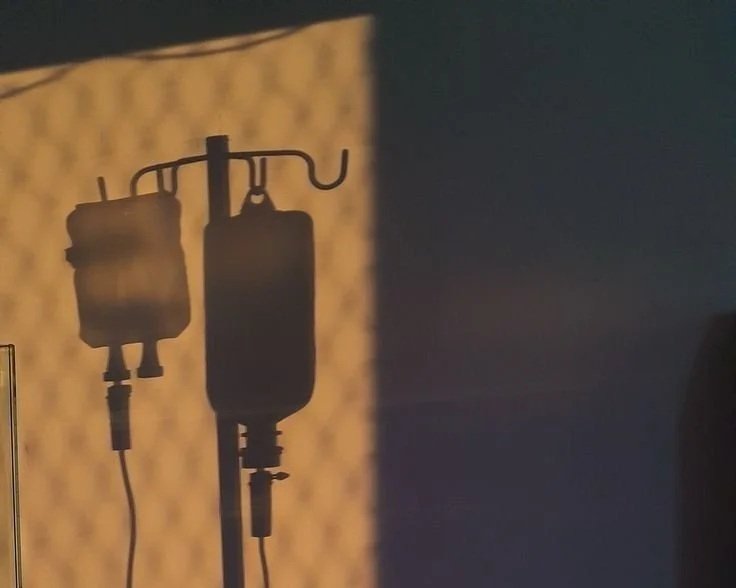
Chemotherapy is a type of cancer treatment that uses drugs to kill or slow the growth of cancer cells. Cancer cells divide and grow rapidly, and chemotherapy drugs target these fast-growing cells.
However, because some healthy cells in the body (like those in hair follicles, bone marrow, and the digestive system) also divide quickly, chemotherapy can affect them as well, leading to side effects.
-
1.Cell Cycle Targeting
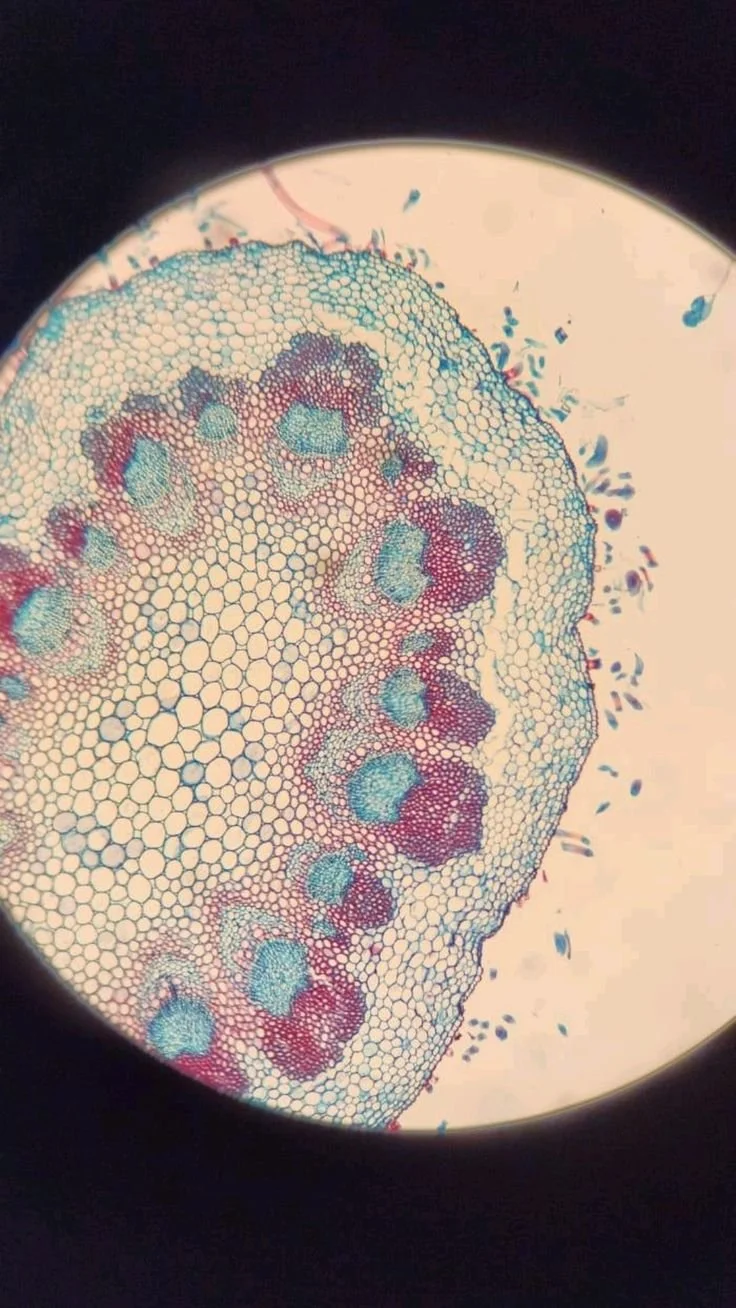
Chemotherapy drugs can be classified based on how they interact with the cell cycle. The cell cycle is the process by which cells grow and divide:
Cell cycle-specific drugs: These target cancer cells at a specific phase in their cycle. For example, some drugs work when the cell is dividing (mitosis), while others work when the DNA is being replicated.
Cell cycle-nonspecific drugs: These attack cancer cells at any phase of their cycle, even when they are resting.
-
2. Mechanisms of Action
Chemotherapy drugs can work through several mechanisms:
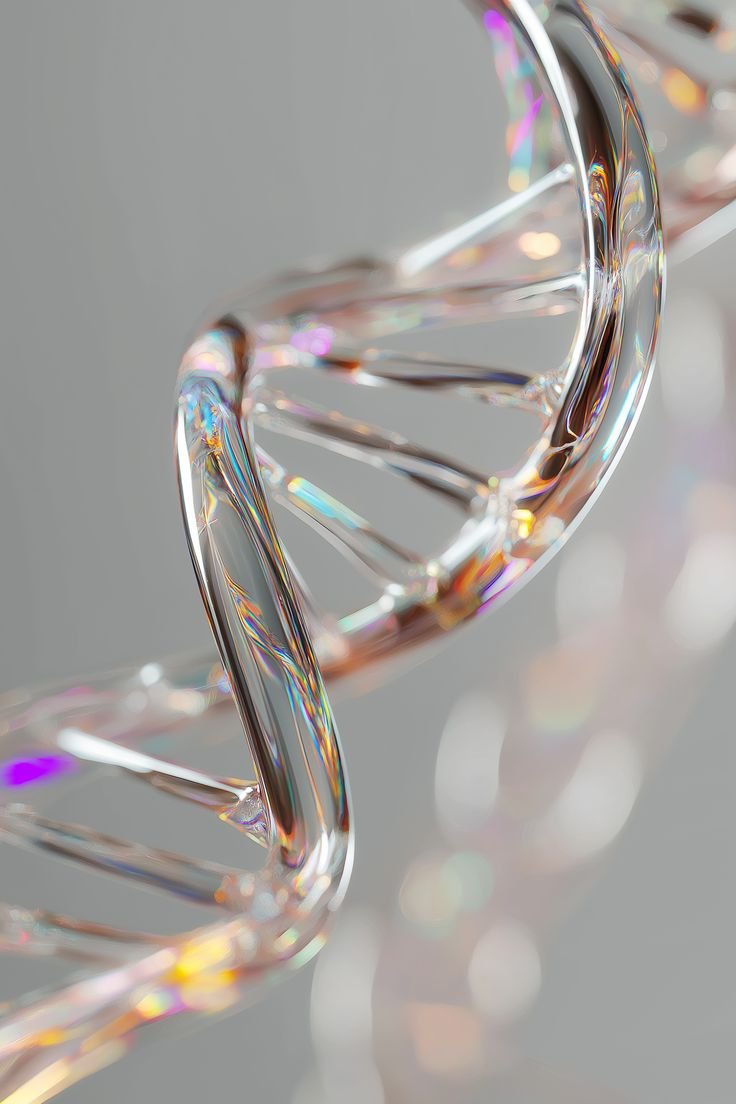
Alkylating agents: They damage the DNA of cancer cells, preventing them from dividing and causing them to die.
Antimetabolites: These drugs interfere with the DNA and RNA synthesis of cancer cells, which is essential for their rapid division.
Antitumor antibiotics: These interfere with the enzymes involved in DNA replication.
Topoisomerase inhibitors: These block enzymes (topoisomerases) that help separate strands of DNA for copying.
Mitotic inhibitors: These prevent cancer cells from completing mitosis, the process of cell division.
-
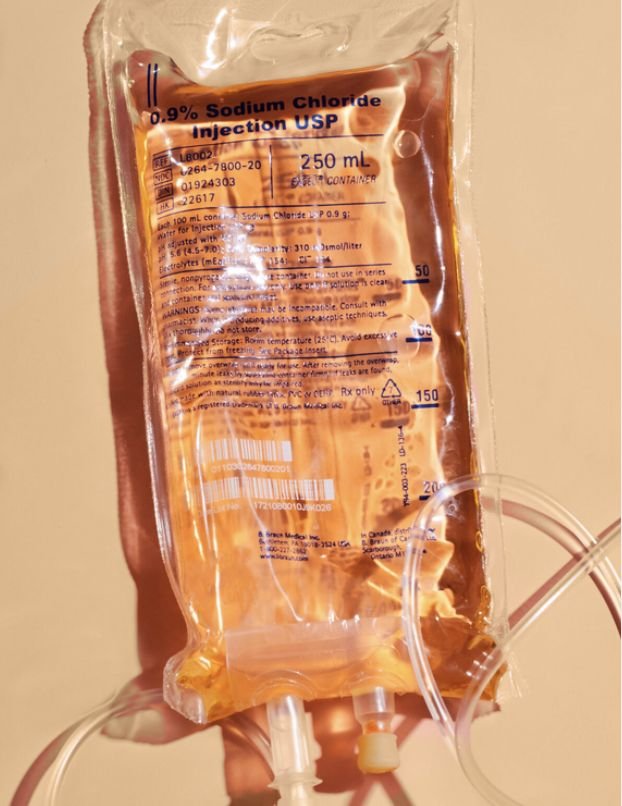
3. Delivery Methods
Chemotherapy can be administered in various ways:
Intravenously (IV): Directly into the bloodstream, the most common method.
Orally: Taken as a pill.
Injection: Administered into muscle or fat.
Intrathecal: Delivered into the spinal fluid to reach the brain or spinal cord.
Topically: Applied on the skin for certain types of skin cancers.
-

4. Combination Therapy
Often, chemotherapy is used in combination with other treatments like surgery, radiation therapy, or immunotherapy.
In combination therapies, multiple chemo drugs may be used together to target cancer cells in different ways, enhancing the effectiveness of the treatment.
Doctors carefully monitor chemotherapy doses and schedules to minimize these side effects while maximizing the treatment’s effectiveness against cancer cells.
PROS
-
Effective against many types of cancer: Chemotherapy is one of the most widely used treatments for various cancers. It can shrink or kill tumors and cancer cells throughout the body.Can target cancer cells that have spread: It’s especially helpful for cancers that have metastasized (spread to other parts of the body) since the drugs can travel through the bloodstream to reach distant cancer cells.
-
Enhances effectiveness of other treatments: Chemotherapy can be combined with surgery, radiation, or immunotherapy to improve the overall treatment results.
Used before surgery (neoadjuvant therapy): It may shrink tumors before surgery, making them easier to remove.
Used after surgery (adjuvant therapy): It can kill any remaining cancer cells post-surgery to reduce the risk of recurrence.
-
Effective for leukemia, lymphoma, and myeloma: Chemotherapy is often the primary treatment for cancers of the blood, like leukemia and lymphoma, because it targets rapidly dividing cancer cells throughout the body.
-
Less invasive than surgery: Chemotherapy does not require major surgery, so it may be a suitable option for patients who are not strong enough to undergo surgery or whose cancer cannot be easily removed surgically.
-
Variety of drugs and regimens: Doctors can tailor chemotherapy regimens to fit the specific type and stage of cancer, adjusting dosages and schedules for optimal results.
Adaptable to individual needs: Chemotherapy plans can be modified based on how a patient responds to treatment, allowing for flexibility in care.
-
Reaches cancer in the bloodstream or lymphatic system: Because chemotherapy circulates in the bloodstream, it can reach cancer cells in places that are hard to treat with localized treatments, such as surgery or radiation.
-
In some cases, chemotherapy can cure cancer: For some cancers, chemotherapy can completely eliminate the disease.
Prolongs life and improves quality of life: Even if chemotherapy doesn’t completely cure cancer, it can slow its progression, shrink tumors, reduce symptoms, and help manage pain, thereby improving quality of life.
-
Multiple administration options: Chemotherapy can be administered orally, intravenously, or injected into specific body areas, offering flexibility based on the patient’s condition and type of cancer.
-
Targets the underlying problem: Chemotherapy attacks the fast-growing cancer cells directly, aiming to stop or slow their ability to divide and spread.
-
Ongoing developments: Chemotherapy continues to benefit from medical research, leading to new drugs, reduced side effects, and more targeted forms of the treatment, such as precision medicine that targets specific cancer cell mutations.
While chemotherapy has its challenges, its ability to kill cancer cells, shrink tumors, and complement other treatments makes it a vital tool in cancer care.
CONS
-
Harms fast-growing healthy cells: In addition to targeting cancer cells, chemotherapy can damage normal cells that also divide rapidly, such as those in the hair follicles, digestive system, and bone marrow. This leads to various side effects.
-
Common side effects: Hair loss, nausea, vomiting, fatigue, mouth sores, diarrhea, and loss of appetite are typical side effects of chemotherapy.
Weakened immune system: Chemotherapy lowers the number of white blood cells, which weakens the immune system, increasing the risk of infections.
Blood cell-related issues: It can cause anemia (low red blood cells) and thrombocytopenia (low platelets), leading to fatigue, shortness of breath, and easy bruising or bleeding.
Cognitive effects ("chemo brain"): Some patients experience memory and concentration problems during and after chemotherapy.
-
Affects the whole body: Unlike localized treatments like surgery or radiation, chemotherapy affects the entire body, which can lead to more widespread side effects.
-
Damage to organs: Chemotherapy can sometimes cause long-term or permanent damage to organs like the heart, kidneys, liver, lungs, or nervous system, depending on the drugs used.
Infertility: Some chemotherapy drugs may cause temporary or permanent infertility, especially in younger patients.
Secondary cancers: In rare cases, chemotherapy can increase the risk of developing a secondary cancer later in life due to the damage it causes to healthy cells.
-
Cancer may not respond: Some types of cancer may be resistant to chemotherapy, or the treatment may not completely eliminate the cancer, leading to recurrence.
Incomplete cure: Chemotherapy might shrink tumors and slow the spread of cancer, but it may not fully cure the disease, especially in advanced stages.
-
Physical and emotional exhaustion: The treatment process can be physically and mentally exhausting, as chemotherapy often requires multiple cycles over several months, causing fatigue, stress, and emotional strain.
-
Frequent hospital visits: Chemotherapy often requires regular hospital or clinic visits for intravenous administration, blood tests, and monitoring, which can disrupt daily life.
-
Expensive treatment: Chemotherapy can be expensive, especially if it requires prolonged treatment, multiple cycles, or additional supportive therapies to manage side effects.
-
Adverse drug reactions: Some patients may experience allergic or hypersensitivity reactions to chemotherapy drugs, requiring immediate medical intervention.
-
Frequent monitoring: Patients undergoing chemotherapy need constant monitoring of their blood counts and organ function, as the drugs can cause harmful side effects or complications.
-
Impact on day-to-day living: The physical toll of chemotherapy, combined with the emotional and psychological stress of the treatment, can significantly impact quality of life for some patients, making normal activities difficult.
-
Severe side effects: In some cases, chemotherapy may cause side effects that require hospitalization for management, such as severe infections, dehydration, or other complications.
Despite being a powerful tool against cancer, chemotherapy’s side effects and the strain it places on the body and mind can present significant challenges. These cons need to be carefully weighed against its benefits when considering treatment.
-
Title: "Phase III Trial of Chemotherapy Combined with PD-1 Inhibition in Advanced NSCLC."
Trial ID: NCT04553781
Status: Recruiting
Location: Worldwide (multiple sites)
Summary: This study investigates the combination of chemotherapy and pembrolizumab (PD-1 inhibitor) for first-line treatment of advanced non-small cell lung cancer (NSCLC). It aims to evaluate progression-free survival (PFS) and overall survival (OS) in comparison to chemotherapy alone.
Primary Outcome: Overall survival
Secondary Outcome: Progression-free survival, response rate, safety
-
Title: "Neoadjuvant Chemotherapy and Targeted Therapy for Triple-Negative Breast Cancer."
Trial ID: NCT04529142
Status: Recruiting
Location: United States
Summary: This clinical trial examines the use of neoadjuvant chemotherapy (including docetaxel, carboplatin, and pembrolizumab) for patients with triple-negative breast cancer. The goal is to assess the pathologic complete response (pCR) rate and its association with long-term survival.
Primary Outcome: Pathological complete response rate
Secondary Outcome: Event-free survival, adverse events, quality of life
-
Title: "Phase II Trial of Chemotherapy and Anti-CD47 Monoclonal Antibody in Acute Myeloid Leukemia."
Trial ID: NCT04458998
Status: Recruiting
Location: United States (multiple centers)
Summary: This trial evaluates the combination of standard chemotherapy (cytarabine and idarubicin) with a monoclonal antibody targeting CD47, an immune checkpoint molecule, in patients with newly diagnosed acute myeloid leukemia (AML).
Primary Outcome: Complete remission rate
Secondary Outcome: Overall survival, duration of response, safety
-
Title: "Adjuvant Chemotherapy after Surgery for Stage II and III Colon Cancer: A Phase III Trial."
Trial ID: NCT04274689
Status: Recruiting
Location: United States, Europe, and Asia
Summary: This multicenter phase III study investigates the role of adjuvant chemotherapy (5-fluorouracil, leucovorin, oxaliplatin) in patients with stage II and III colon cancer after complete resection. The primary objective is to assess disease-free survival (DFS) and overall survival (OS).
Primary Outcome: Disease-free survival
Secondary Outcome: Overall survival, toxicity, quality of life
-
Title: "Chemotherapy and Olaparib for Recurrent Ovarian Cancer: A Phase III Trial."
Trial ID: NCT04381735
Status: Recruiting
Location: United States, Europe, and Japan
Summary: This phase III trial evaluates the combination of platinum-based chemotherapy (carboplatin and paclitaxel) and the PARP inhibitor olaparib in patients with recurrent ovarian cancer. The goal is to assess progression-free survival and response to treatment.
Primary Outcome: Progression-free survival
Secondary Outcome: Overall survival, safety, and side effects
-
Title: "Combination Chemotherapy and PD-L1 Inhibition in Advanced Gastric Cancer."
Trial ID: NCT04351029
Status: Recruiting
Location: United States
Summary: This trial tests the combination of standard chemotherapy (fluorouracil, leucovorin, and oxaliplatin) with the PD-L1 inhibitor atezolizumab in patients with advanced gastric cancer. The study aims to determine if the combination improves progression-free survival compared to chemotherapy alone.
Primary Outcome: Progression-free survival
Secondary Outcome: Objective response rate, safety, overall survival
-
Title: "Combination of Chemotherapy and Tumor-Treating Fields in Small Cell Lung Cancer."
Trial ID: NCT05061048
Status: Recruiting
Location: United States and Europe
Summary: This study investigates the combination of first-line chemotherapy (etoposide and carboplatin) with tumor-treating fields (TTFields) in patients with extensive-stage small cell lung cancer (SCLC). The trial will evaluate survival and treatment outcomes.
Primary Outcome: Overall survival
Secondary Outcome: Progression-free survival, response rate, safety
-
Title: "Pembrolizumab and Chemotherapy for Advanced Endometrial Cancer:A Phase II Study."
Trial ID: NCT04288142
Status: Recruiting
Location: United States
Summary: This phase II trial explores the combination of standard chemotherapy (carboplatin and paclitaxel) with pembrolizumab (an anti-PD-1 therapy) in advanced or recurrent endometrial cancer. The primary aim is to assess the progression-free survival and tumor response.
Primary Outcome: Progression-free survival
Secondary Outcome: Overall survival, objective response rate, adverse events
-
Title: "Chemotherapy Combined with Targeted Therapy in Pancreatic Cancer."
Trial ID: NCT04836489
Status: Recruiting
Location: United States
Summary: This phase II trial investigates the combination of gemcitabine-based chemotherapy and a targeted therapy (e.g., nab-paclitaxel, a tumor-targeting nanoparticle drug) in patients with metastatic pancreatic cancer.
Primary Outcome: Overall survival
Secondary Outcome: Progression-free survival, tumor response, safety
-
Title: "Chemotherapy and Radiotherapy for Locally Advanced Head and Neck Cancer: A Phase III Study."
Trial ID: NCT04625898
Status: Recruiting
Location: United States
Summary: This phase III study evaluates the effectiveness of chemotherapy combined with radiation therapy in patients with locally advanced squamous cell carcinoma of the head and neck. The trial aims to improve survival and reduce recurrence rates.
Primary Outcome: Progression-free survival
Secondary Outcome: Overall survival, treatment-related side effects, quality of life
11. Chemotherapy for Bladder Cancer (Cisplatin-Based)
Title: "Cisplatin-Based Chemotherapy for Muscle-Invasive Bladder Cancer: A Phase III Trial."
Trial ID: NCT04929973
Status: Recruiting
Location: United States, Europe
Summary: This phase III trial evaluates the efficacy of cisplatin-based chemotherapy (gemcitabine and cisplatin) in patients with muscle-invasive bladder cancer, comparing it with a newer chemotherapy regimen.T
Primary Outcome: Overall survival
Secondary Outcome: Progression-free survival, adverse events, quality of life
How to Access These Trials
These studies can be found and monitored for the latest updates via:
ClinicalTrials.gov – The U.S. National Institutes of Health's registry of publicly and privately supported clinical studies.
European Clinical Trials Database (EudraCT) – For trials conducted in Europe.
PubMed – A useful resource for publications associated with these trials, often including results once available.
References for Chemotherapy used as cancer treatment in human clinical trials:
These current medical trials typically assess new chemotherapy regimens, combinations with other therapies, or the impact of chemotherapy in different stages of cancer treatment. Below are selected clinical trials from recent studies (2023–2024) focused on chemotherapy as a primary or adjunctive treatment.
Disclaimer:
The information provided on this website is for educational and informational purposes only and is not intended as medical advice. While we strive to provide accurate, up-to-date information on various cancer therapies, including both traditional and alternative options, this content should not be used as a substitute for professional medical consultation, diagnosis, or treatment.
We strongly recommend that users consult with qualified healthcare providers before making any healthcare decisions, including but not limited to: starting or stopping any new or existing cancer treatments. Every individual’s health situation is unique, and only a licensed medical professional can provide tailored guidance.
Our goal is to inform and empower, but we cannot guarantee the effectiveness or safety of any therapy discussed on this site. Reliance on any information provided by this website is solely at your own risk.
Some content on this website has been generated or assisted by artificial intelligence, and then has been internally reviewed. Any resemblance to copyrighted material is purely coincidental and unintentional. If you believe any content infringes on intellectual property rights, please contact us for resolution.