

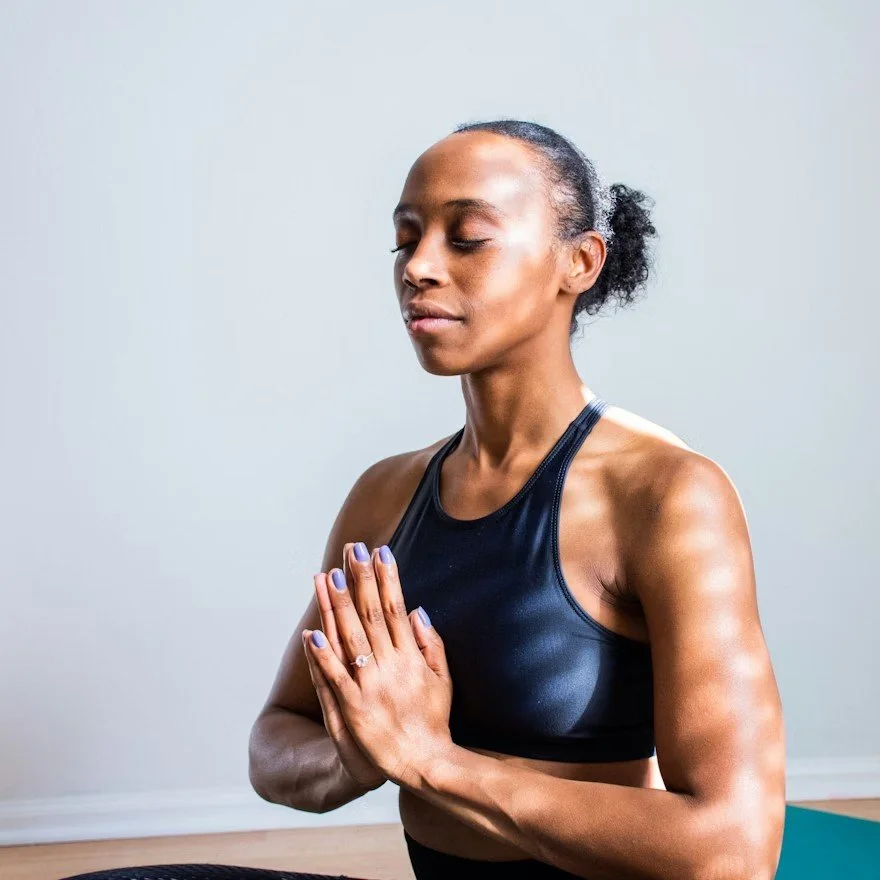
How Breathwork Helps Relieve Symptoms for Cancer Patients
Breathwork is a powerful, natural tool that can help cancer patients manage stress, anxiety, pain, and fatigue. It works by engaging the nervous system, reducing inflammation, and promoting emotional well-being.
-
Cancer and its treatments can put the body in a constant state of stress (sympathetic fight-or-flight mode).
Deep breathing activates the parasympathetic nervous system, promoting relaxation and healing.
Lowers cortisol (the stress hormone) and reduces heart rate and blood pressure.
-
Cancer patients often experience anxiety due to uncertainty, treatments, and side effects.
Breathwork techniques help calm racing thoughts, improve focus, and enhance emotional resilience.
Boosts levels of GABA, a neurotransmitter that promotes relaxation.
-
Proper breathing optimizes oxygen flow to the brain and muscles, reducing fatigue and mental fog.
Helps counteract chemo-related fatigue and improve overall energy levels.
-
Deep breathing techniques can release endorphins, the body’s natural painkillers.
Reduces the perception of pain and enhances tolerance to discomfort.
-
Certain breathwork practices can stimulate the lymphatic system, which helps detoxify the body.
Deep breathing increases oxygenation, which supports cellular repair and immune strength.
Best Breathwork Techniques for Cancer Patients
Which Breathwork Is Best?
For stress & anxiety: Diaphragmatic breathing, Box breathing, 4-7-8 breathing
For sleep & relaxation: 4-7-8 breathing, Humming Bee Breath
For pain relief: Humming Bee Breath, Diaphragmatic breathing
For emotional balance: Alternate Nostril Breathing
For overall wellness: Resonant breathing
-
Best for: Reducing stress, calming anxiety, and improving oxygen intake.
How to Do It:Sit or lie down comfortably.
Place one hand on your chest and the other on your belly.
Inhale deeply through your nose, expanding your belly (not your chest).
Exhale slowly through your mouth, feeling your belly fall.
Repeat for 5-10 minutes.
-
Best for: Instant stress relief, focus, and grounding.
How to Do It:Inhale through your nose for 4 seconds.
Hold your breath for 4 seconds.
Exhale slowly through your mouth for 4 seconds.
Hold for 4 seconds, then repeat.
-
Best for: Sleep, relaxation, and reducing pain.
How to Do It:Inhale through your nose for 4 seconds.
Hold your breath for 7 seconds.
Exhale slowly through your mouth for 8 seconds.
Repeat 4-5 times before sleep or during moments of stress.
-
Best for: Balancing emotions, clearing the mind, and reducing anxiety.
How to Do It:Close your right nostril with your thumb and inhale through your left nostril.
Close your left nostril with your finger, release your thumb, and exhale through your right nostril.
Inhale through your right nostril, then switch and exhale through your left.
Repeat for 5 minutes.
-
Best for: Soothing nerves, calming the mind, and reducing pain.
How to Do It:Inhale deeply through your nose.
Exhale while making a gentle humming sound (like a bee).
Feel the vibrations soothe your body and mind.
Repeat for 5 minutes.
-
Best for: Improving heart rate variability and reducing stress.
How to Do It:Inhale for 5-6 seconds.
Exhale for 5-6 seconds.
Maintain a steady rhythm for 5-10 minutes.
Final Thoughts
Breathwork is safe and easy to practice anywhere.
Works best when practiced daily for 5-10 minutes.
Can be combined with meditation, yoga, or mindfulness for deeper benefits.
Always check with a doctor before trying breathwork if you have respiratory issues.
References:
1. The Role of Breathing Techniques in Stress Management
2. Controlled Breathing Practices for Anxiety
• National Center for Biotechnology Information
3. Lung Function and Breathing Exercises: Clinical Insights
4. The Science of Breathing for Relaxation
5. Benefits and Risks of Breath Control Techniques
• Journal of Psychosomatic Research
By understanding both the advantages and limitations, breathing exercises can be used effectively as part of a broader health and wellness strategy.
Disclaimer:
The information provided on this website is for educational and informational purposes only and is not intended as medical advice. While we strive to provide accurate, up-to-date information on various cancer therapies, including both traditional and alternative options, this content should not be used as a substitute for professional medical consultation, diagnosis, or treatment.
We strongly recommend that users consult with qualified healthcare providers before making any healthcare decisions, including but not limited to: starting or stopping any new or existing cancer treatments. Every individual’s health situation is unique, and only a licensed medical professional can provide tailored guidance.
Our goal is to inform and empower, but we cannot guarantee the effectiveness or safety of any therapy discussed on this site. Reliance on any information provided by this website is solely at your own risk.
Some content on this website has been generated or assisted by artificial intelligence, and then has been internally reviewed. Any resemblance to copyrighted material is purely coincidental and unintentional. If you believe any content infringes on intellectual property rights, please contact us for resolution.