

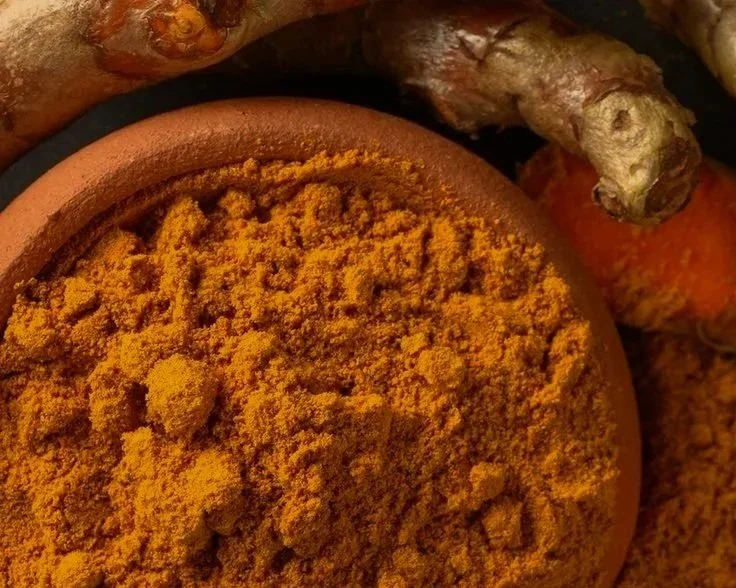
Curcumin and Bioperine as Cancer Treatment
Curcumin, the active compound in turmeric, has demonstrated significant potential in cancer treatment due to its anti-inflammatory, antioxidant, and anti-cancer properties.
However, its low bioavailability in the human body limits its effectiveness. Bioperine, an extract from black pepper, enhances curcumin’s absorption and bioavailability by up to 2000%, making the combination more potent in clinical settings.
Curcumin in Cancer Treatment

Curcumin has several biological properties that make it a promising agent in cancer research:
-
Chronic inflammation is a driver of cancer development. Curcumin inhibits inflammatory pathways, such as NF-κB, a protein complex involved in promoting cancer cell survival and metastasis.
-
Curcumin reduces oxidative stress by scavenging reactive oxygen species (ROS) and increasing the activity of endogenous antioxidants, helping to prevent DNA damage that can lead to cancer.
-
Curcumin can trigger programmed cell death in cancer cells by activating apoptosis-related proteins like caspases and suppressing anti-apoptotic proteins.
-
It blocks the cell cycle and inhibits pathways like PI3K/Akt and Wnt/β-catenin, which are involved in cancer cell growth and survival.
-
Curcumin hinders metastasis (the spread of cancer cells) and angiogenesis (the formation of new blood vessels that supply tumors), limiting tumor growth.
-
Curcumin affects the expression of genes related to cancer by modulating epigenetic markers, such as DNA methylation and histone modifications.
Bioperine (Piperine) and its role
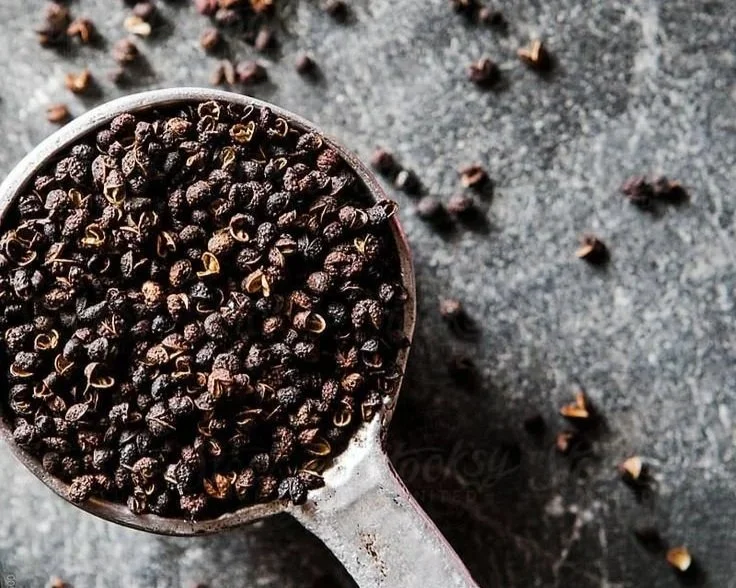
Bioperine itself has some potential anti-cancer properties, but its primary role in combination with curcumin is to:
-
Curcumin has poor absorption, rapid metabolism, and quick elimination from the body. Bioperine increases curcumin’s bioavailability by up to 2000% by slowing its breakdown in the liver and enhancing absorption in the intestine.
-
Piperine has its own anti-inflammatory and antioxidant activities, which may complement curcumin’s effects in reducing cancer-related inflammation and oxidative damage.
How they work together in Cancer Treatment
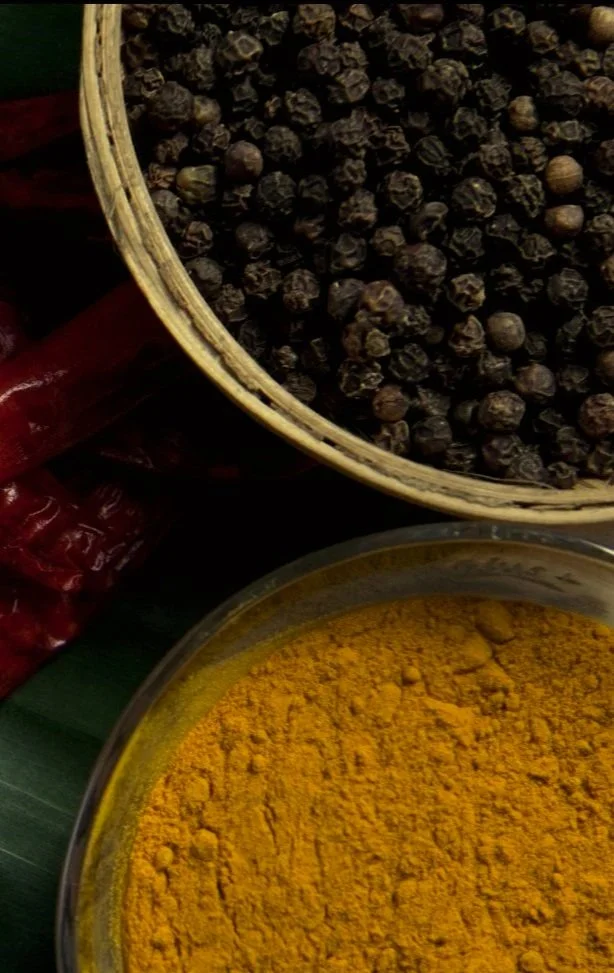
When combined, curcumin and bioperine may have synergistic effects:
Increased Efficacy: Enhanced bioavailability allows curcumin to exert its anti-cancer effects more effectively.
Reduced Side Effects: By acting on multiple cancer-related pathways, the combination may provide therapeutic benefits without the harsh side effects of conventional treatments.
Immune Modulation: Both compounds can modulate the immune system, making the environment less favorable for cancer growth.
-
1. Standalone Therapy: Curcumin-Bioperine combinations are being studied for their effects on cancer progression in colorectal, breast, and pancreatic cancers.
2. Adjunct to Chemotherapy: Trials show that curcumin can enhance the efficacy of chemotherapy agents like gemcitabine (for pancreatic cancer) and FOLFOX/FOLFIRI (for colorectal cancer) by sensitizing cancer cells and reducing drug resistance.
Summary of Curcumin and Bioperine use:
While high-dose vitamin C is generally safe when used appropriately, its role in cancer treatment remains experimental. Patients should consult their oncologist and other professionals or specialists while considering it as a complementary therapy.
PROS
Pros of Curcumin and Bioperine for Cancer Treatment:
-
Inhibits Cancer Cell Growth: Curcumin suppresses cancer cell proliferation by interfering with signaling pathways like NF-κB, MAPK, and PI3K/Akt, which control tumor growth and survival.
Promotes Apoptosis: Curcumin induces programmed cell death (apoptosis) in cancer cells by activating pro-apoptotic proteins and mitochondrial pathways.
Prevents Angiogenesis: It inhibits the formation of blood vessels that feed tumors, thereby limiting cancer growth.
-
Boosts Absorption: Bioperine (piperine) increases the bioavailability of curcumin by up to 2000%, making therapeutic doses achievable. It slows down curcumin’s metabolism and enhances intestinal absorption .
-
Improved Chemotherapy Efficacy: Curcumin sensitizes cancer cells to chemotherapy drugs, potentially reducing resistance and enhancing treatment effectiveness, particularly in colorectal, breast, and pancreatic cancers.
Reduced Side Effects: It can help minimize chemotherapy-induced side effects, such as inflammation and oxidative stress, improving patient outcomes and quality of life.
-
Reduces Chronic Inflammation: By blocking pro-inflammatory cytokines and enzymes (like COX-2), curcumin helps combat chronic inflammation, which is linked to cancer progression.
Neutralizes Free Radicals: Curcumin’s antioxidant properties protect cells from DNA damage caused by oxidative stress, a key factor in cancer development.
-
Curcumin targets multiple pathways involved in cancer progression, making it effective against various types of cancer and potentially reducing the likelihood of drug resistance.
-
Clinical trials have demonstrated that curcumin, even at high doses, is generally safe and well-tolerated, with minimal side effects when combined with Bioperine.
Summary: The combination of curcumin and Bioperine offers a promising complementary approach to cancer treatment by enhancing curcumin’s bioavailability and leveraging its anti-cancer, anti-inflammatory, and antioxidant properties. It holds potential both as a standalone therapy and as an adjunct to conventional treatments like chemotherapy. However, more large-scale clinical trials are needed to fully validate these benefits.
CONS
Cons of Curcumin and Bioperine for Cancer Treatment:
-
Curcumin’s Poor Absorption: Even with Bioperine, curcumin still faces limitations related to its solubility and stability in the bloodstream. While Bioperine boosts absorption, the levels may still be insufficient for significant therapeutic effects in some cases.
Short Half-Life: Curcumin is rapidly metabolized and excreted, which limits its sustained presence in the body.
-
Inhibition of Drug Metabolism: Piperine (Bioperine) can inhibit enzymes like cytochrome P450, which metabolize many drugs, potentially leading to drug interactions and increased toxicity of certain medications, including chemotherapy agents.
-
Insufficient Large-Scale Trials: While preclinical studies are promising, robust evidence from large, randomized human clinical trials is lacking. Most studies are small, making it difficult to draw definitive conclusions about efficacy and safety in cancer treatment.
-
Patient Variability: The effectiveness of curcumin can vary based on individual differences, including genetics, tumor type, and stage of cancer. This variability makes it challenging to standardize dosing and predict outcomes.
-
Mild Adverse Effects: Curcumin and Bioperine may cause gastrointestinal discomfort, nausea, or diarrhea in some patients, particularly at high doses.
-
Excessive Intake Risks: Overconsumption of curcumin supplements, especially when combined with Bioperine, may lead to adverse effects, including reduced iron absorption and liver toxicity in rare cases.
-
Regulatory Status: Curcumin and Bioperine are not FDA-approved for cancer treatment. They are classified as dietary supplements, which limits their use in clinical practice and insurance coverage for cancer therapy.
Summary: While curcumin and Bioperine show promise as complementary cancer therapies, challenges related to bioavailability, potential drug interactions, and limited clinical evidence must be addressed.
More research is needed to establish their safety and efficacy in large-scale cancer trials. Research is ongoing to develop curcumin formulations (e.g., nanoparticles, liposomes) to further enhance bioavailability.
Clinical Trial findings of Curcumin and Bioperine
Clinical trials involving curcumin (derived from turmeric) and piperine (an active compound in black pepper) have shown potential as cancer treatments, either alone or in combination with chemotherapy. Piperine enhances curcumin’s bioavailability, making it more effective at therapeutic doses.
Key findings from Human Trials:
Colorectal Cancer: A phase II clinical trial examined curcumin in combination with chemotherapy agents such as FOLFOX and FOLFIRI in patients with metastatic colorectal cancer. The study found that adding curcumin improved progression-free survival without significant toxicity. Patients tolerated the combination well, suggesting curcumin may reduce chemotherapy-related side effects.
Breast Cancer: In a study involving breast cancer patients, curcumin was shown to enhance the effectiveness of standard chemotherapy by modulating inflammatory pathways. The trial demonstrated reduced tumor markers and improved immune responses, though further large-scale trials are needed to confirm these effects.
Pancreatic Cancer: Early-phase trials with curcumin as an adjuvant in pancreatic cancer treatment highlighted its role in improving quality of life and decreasing tumor growth by targeting multiple cancer-related pathways. Despite limited bioavailability, patients showed clinical improvements when curcumin was paired with piperine.
These studies emphasize curcumin’s ability to target inflammation and cancer cell proliferation, suggesting its usefulness in cancer treatment. However, more large-scale randomized clinical trials are needed to validate its efficacy as a standard adjunctive therapy.
Human Clinical Trial References:
Multiple clinical trial info complied from studies in Tokyo, U.S., U.K. and in Taiwan: https://www.cancer.gov/about-cancer/treatment/cam/hp/curcumin-pdq
Preclinical Studies: https://www.cancer.gov/about-cancer/treatment/cam/hp/curcumin-pdq
Multiple Various Clinical Trials Using Curcumin: https://www.cancer.gov/research/participate/clinical-trials/intervention/curcumin
Published Medical Journals:
The role of Curcumin in Cancer Treatment https://www.mdpi.com/2227-9059/9/9/1086
Disclaimer:
The information provided on this website is for educational and informational purposes only and is not intended as medical advice. While we strive to provide accurate, up-to-date information on various cancer therapies, including both traditional and alternative options, this content should not be used as a substitute for professional medical consultation, diagnosis, or treatment.
We strongly recommend that users consult with qualified healthcare providers before making any healthcare decisions, including but not limited to: starting or stopping any new or existing cancer treatments. Every individual’s health situation is unique, and only a licensed medical professional can provide tailored guidance.
Our goal is to inform and empower, but we cannot guarantee the effectiveness or safety of any therapy discussed on this site. Reliance on any information provided by this website is solely at your own risk.
Some content on this website has been generated or assisted by artificial intelligence, and then has been internally reviewed. Any resemblance to copyrighted material is purely coincidental and unintentional. If you believe any content infringes on intellectual property rights, please contact us for resolution.