Treatments
*
Treatments *
Traditional Methods
-
It all begins with an idea. Maybe you want to launch a business. Maybe you want to turn a hobby into something more. Or maybe you have a creative project to share with the world. Whatever it is, the way you tell your story online can make all the difference.
-
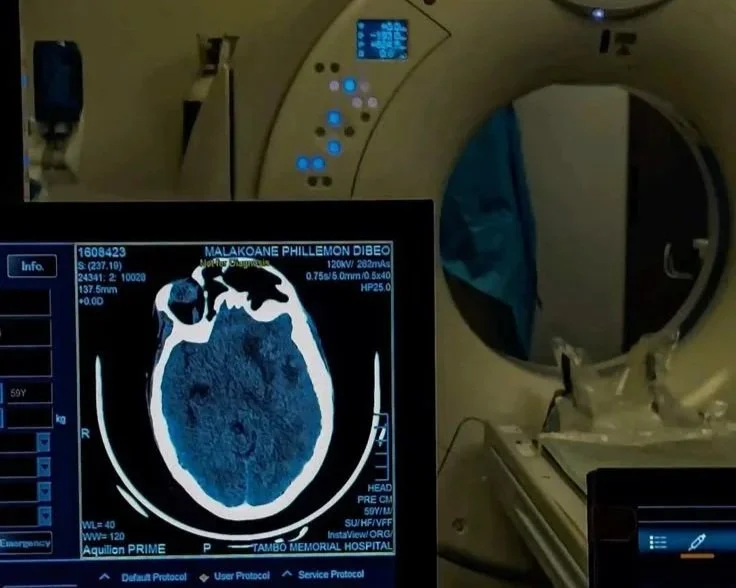
Surgery for cancer treatment is a common approach that involves removing the tumor and, in some cases, nearby tissue to help prevent the spread of the disease.

-
Radiation therapy works by using high doses of radiation to target and destroy cancer cells. Radiation therapy is often combined with other treatments, like surgery or chemotherapy, depending on the cancer type and stage. While effective, it can cause side effects, particularly in tissues exposed to radiation, and these vary depending on the area treated.
-
Targeted Cancer Therapy is a type of cancer treatment designed to specifically attack cancer cells while minimizing damage to normal cells. Unlike traditional treatments like chemotherapy and radiation, which affect all rapidly dividing cells, targeted therapy works by interfering with specific molecules involved in the growth, progression, and spread of cancer.

-
Immunotherapy is a groundbreaking approach to cancer treatment that utilizes the body’s immune system to detect, target, and destroy cancer cells. It differs from traditional therapies like chemotherapy or radiation by harnessing the immune system’s natural defenses to fight cancer more effectively and often with fewer side effects.

-
Clinical Trials for cancer treatments are carefully designed studies conducted to evaluate new therapies, medical devices, or approaches to treatment, diagnosis, or prevention.
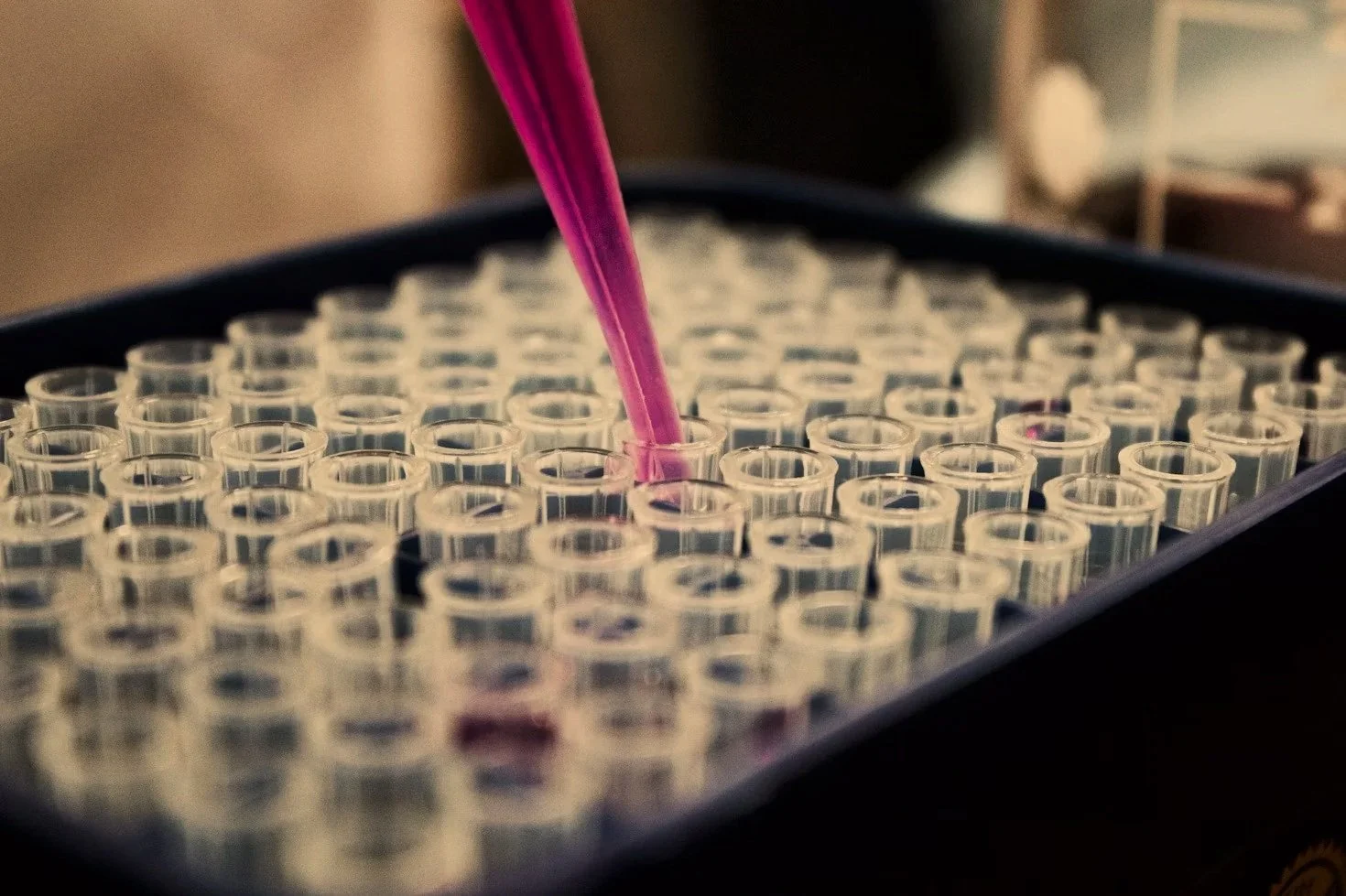
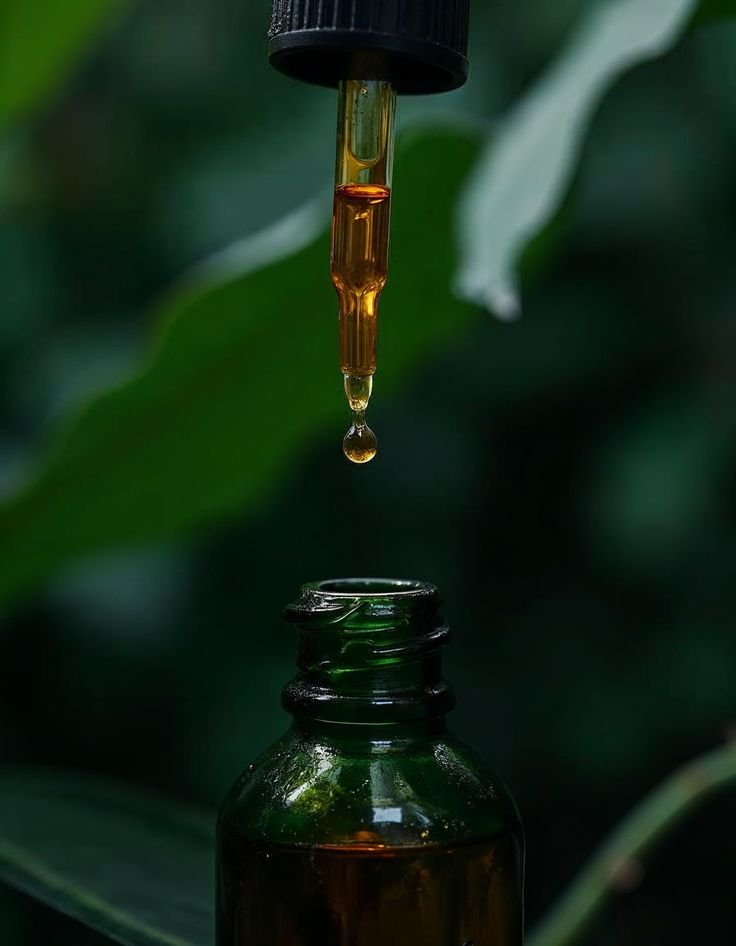
Rick Simpson Oil (RSO)
is a cannabis extract named after Rick Simpson, a retired power engineer; who worked for 25 years in the medical system, and Canadian medical marijuana activist.
-
Rick Simpson advocated for using RSO to treat cancer and other medical conditions, when after he used it, it helped him recover from basal cell carcinoma, a type of skin cancer.
He suggested applying the oil topically to skin cancers or ingesting it to treat internal cancers.
However, RSO is not an FDA-approved cancer treatment, and its effectiveness is not scientifically confirmed, however there are several preclinical studies and some clinical studies that have been conducted on THC and CBD.
-
Description text goes here
-
Description text goes here
Alternative Treatments
-
High-dose Vitamin C treatment for cancer is an experimental therapy that involves administering large doses of vitamin C, typically through intravenous (IV) infusion, to achieve plasma concentrations far beyond what is possible with oral intake. This approach stems from research suggesting that, at high levels, vitamin C can act as a pro-oxidant, generating reactive oxygen species (ROS) that selectively target cancer cells while sparing normal tissues.

-
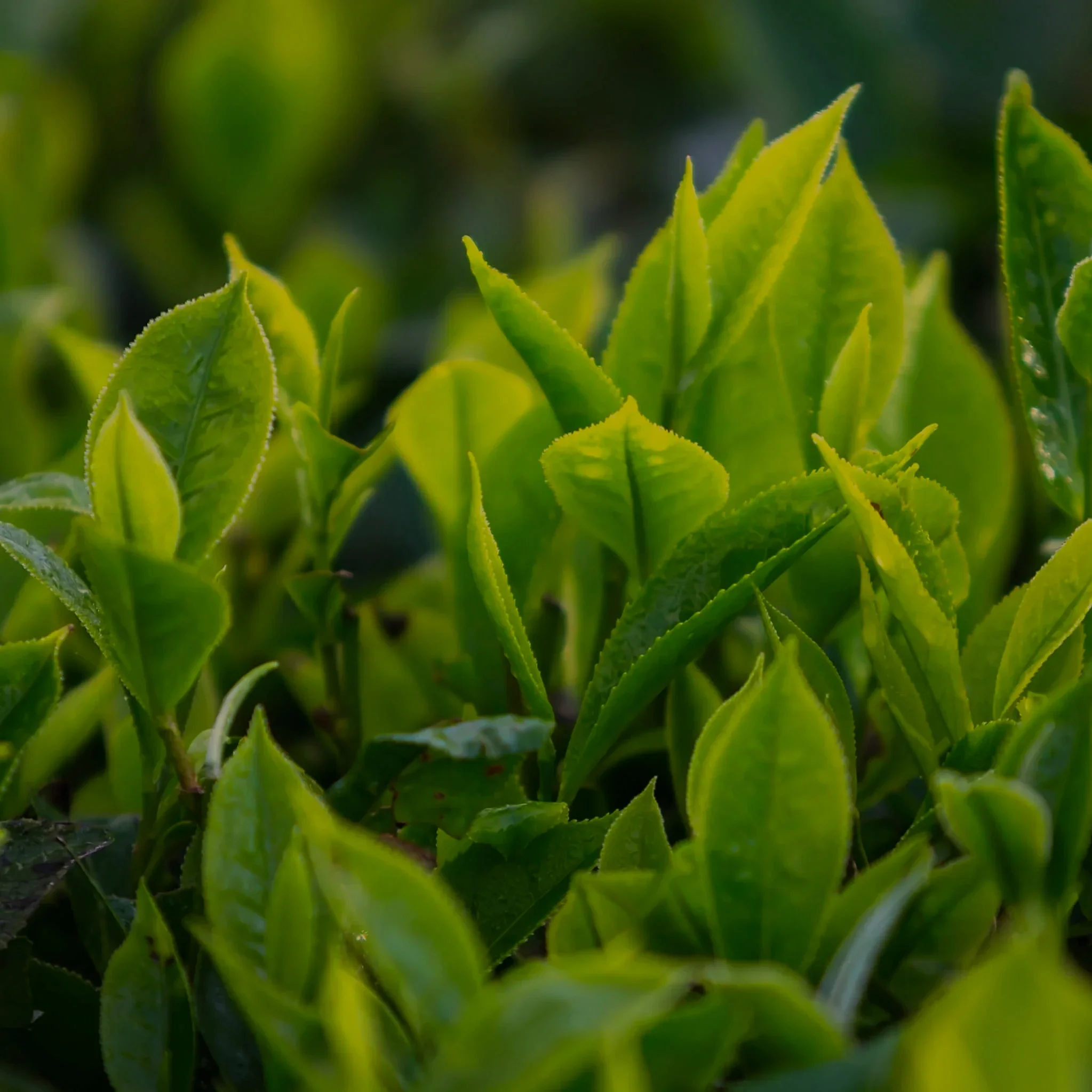
Epigallocatechin gallate (EGCG) is a natural compound found primarily in green tea (Camellia sinensis) and is part of a group of polyphenolic antioxidants known as catechins. It has gained attention for its potential health benefits, including its effects on cancer prevention and treatment. While research is still ongoing, EGCG shows promise in cancer therapy due to its various biological activities, including antioxidant, anti-inflammatory, and anti-cancer properties.
-
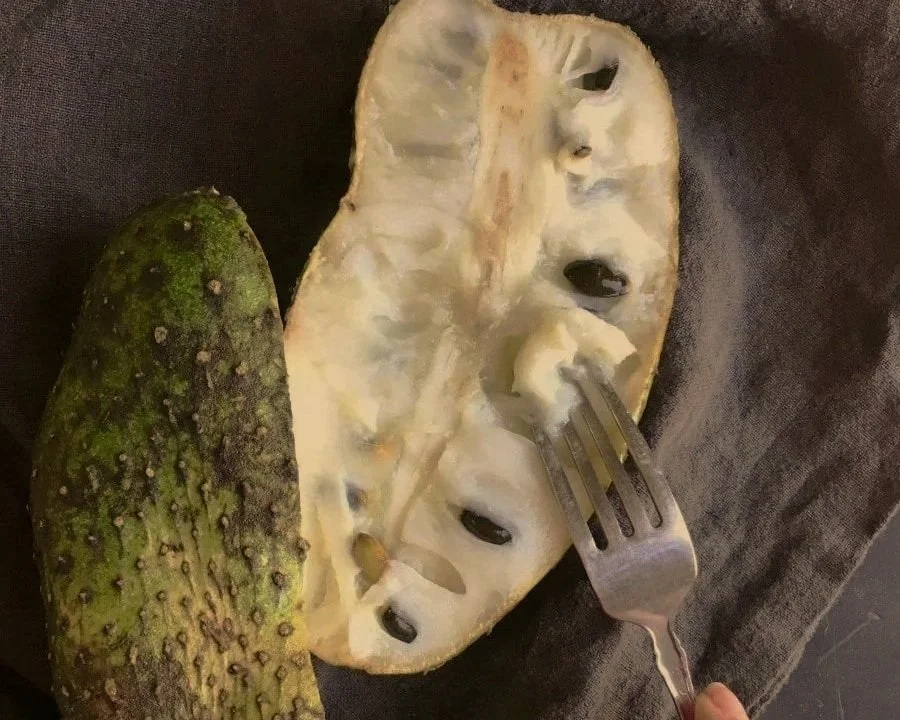
Graviola, also known as Soursop (Annona muricata), is a tropical fruit widely used in traditional medicine and increasingly studied for its potential anticancer properties. The plant contains compounds called acetogenins, which have demonstrated anticancer effects in laboratory studies. These compounds may help reduce the growth of cancer cells and induce cell death in types such as breast, colon, prostate, pancreatic, and lung cancer. This evidence comes from in vitro, animal studies, and clinical trials in humans.
-
Vitamin D is known for its role in bone health and calcium metabolism, but recent research has also focused on its potential in cancer prevention and treatment. The active form of vitamin D, 1,25-dihydroxyvitamin D (calcitriol), has been studied for its effects on various types of cancer. Studies suggest that vitamin D may help apoptosis (programmed cell death), stop cancer cell growth, metastasis, and immune function. This shows the potential for Vitamin D to be used as an adjunct therapy in cancer treatment.

-
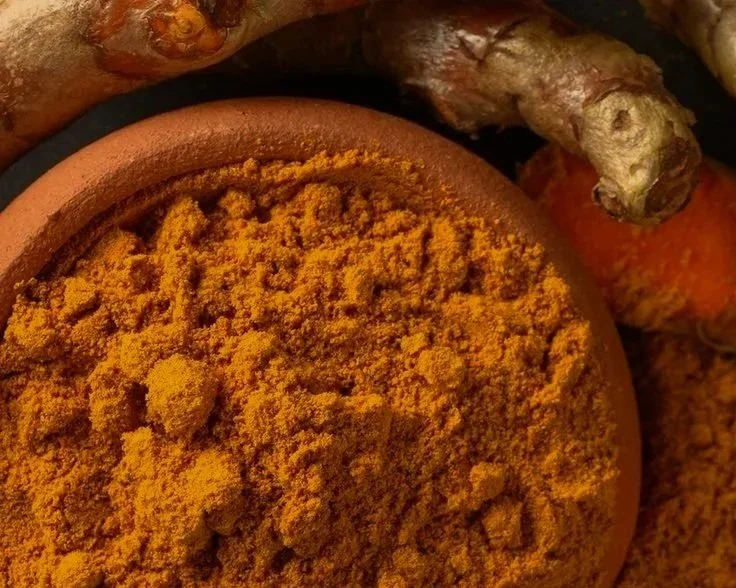
Curcumin, the active compound in turmeric, has demonstrated significant potential in cancer treatment due to its anti-inflammatory, antioxidant, and anti-cancer properties.