

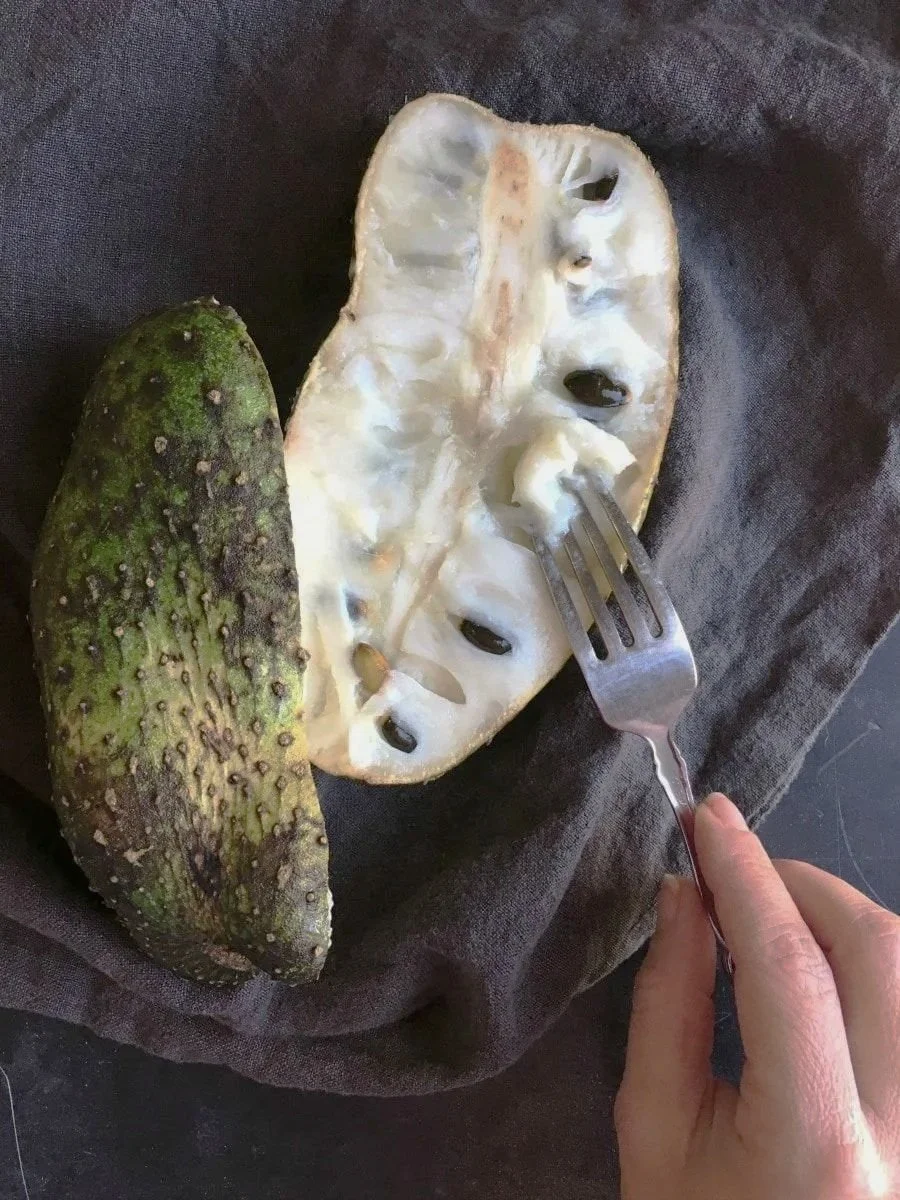
Graviola (Soursop) for Cancer Treatment
Graviola, also known as Soursop (Annona muricata), is a tropical fruit widely used in traditional medicine and increasingly studied for its potential anticancer properties. The plant contains compounds called acetogenins, which have demonstrated anticancer effects in laboratory studies. These compounds may help reduce the growth of cancer cells and induce cell death in types such as breast, colon, prostate, pancreatic, and lung cancer. This evidence comes from in vitro, animal studies, and clinical trials in humans.
Graviola is consumed in various forms, including raw fruit, teas, capsules, or extracts. It has shown promise as a complementary treatment due to its antioxidant and anti-inflammatory properties, it may be used alongside other alternative treatments or in addition to conventional therapies.
Additionally, graviola may pose risks, including potential neurotoxicity, and can interfere with medications affecting blood pressure or blood sugar levels.
If you are considering graviola as part of a cancer treatment plan, consult your healthcare provider or naturopathic practitioner to work together and evaluate its safety and compatibility with your existing treatments or medications.
PROS
Pros of using the Graviola plant for cancer treatment:
-
Effects on cancer cells: Studies done in vitro (cell-based) and in vivo (animal models), have shown that compounds found in graviola, such as annonaceous acetogenins, have cytotoxic (cell-killing) effects on cancer cells. These compounds can selectively target and kill cancer cells while sparing normal, healthy cells, potentially minimizing collateral damage to surrounding tissues.
Induction of Apoptosis: Graviola has been shown to promote apoptosis (programmed cell death) in various cancer cell lines. This is important because many cancer cells develop mechanisms to evade apoptosis, contributing to uncontrolled growth and resistance to treatment. Graviola's ability to restore apoptosis could make it an effective adjunct to conventional cancer therapies.
Inhibition of Tumor Growth: Several studies suggest that graviola extracts inhibit the growth and proliferation of cancer cells. For example, it has been shown to slow the growth of cancer cells in cancers such as breast, prostate, colon, and liver cancer.
-
Sensitizing cancer cells to chemotherapy: One of the notable advantages of graviola is its ability to sensitize cancer cells to chemotherapy, potentially making them more responsive to conventional treatments. This could be especially valuable for patients with chemoresistant cancers, where traditional chemotherapy is less effective.
Combination therapy: Graviola can be used as an adjunct to chemotherapy, potentially reducing chemotherapy resistance and enhancing treatment efficacy. This could provide a therapeutic edge in cases where cancer cells have developed resistance to standard
-
The graviola plant is well-tolerated in preliminary studies: Within them, and case reports, graviola has generally shown few severe side effects. In a study of patients undergoing chemotherapy, it was noted to improve quality of life and reduce chemotherapy-related side effects such as fatigue, nausea, and loss of appetite.
Natural and non-toxic: Unlike some traditional chemotherapy drugs, graviola is a natural plant extract, which may be perceived as a safer alternative, particularly for patients seeking more holistic or complementary approaches to cancer treatment. The lack of significant toxicity in early studies suggests that it may be safer than some synthetic chemotherapeutic agents.
-
Reduction of chemotherapy side effects: Graviola has shown potential in improving the quality of life of cancer patients by helping to reduce the side effects of chemotherapy. For example, studies have indicated that graviola may help reduce fatigue, nausea, appetite loss, and pain in cancer patients. All of which are common side effects of conventional cancer treatments.
Mood and well-being: Some patients report improved mood and mental clarity after incorporating graviola into their cancer care regimen, which can be a significant benefit in managing the overall impact of cancer treatment.
-
Free radical scavenging: Graviola contains a range of antioxidants, which help neutralize free radicals in the body. Free radicals can damage cells and contribute to the development and progression of cancer. By reducing oxidative stress, graviola could potentially slow the spread of cancer.
Anti-inflammatory Effects: Chronic inflammation is associated with many types of cancer. Graviola has demonstrated anti-inflammatory effects, which could help mitigate inflammation-related damage in cancer patients, particularly those with inflammatory cancers like colorectal cancer or liver cancer.
-
Breast Cancer: Some studies have shown that graviola can be particularly effective against breast cancer cells, helping reduce tumor size and inhibiting cell growth.
Prostate Cancer: Graviola has demonstrated cytotoxicity (cancer-killing) against prostate cancer cells in laboratory studies, potentially aiding in the treatment of prostate cancer.
Liver and Colon Cancer: Graviola’s anticancer properties have been studied in liver and colon cancer models, where it has been shown to help slow tumor progression and reduce metastasis.
Pancreatic Cancer: Graviola’s acetogenins have also shown promise in pancreatic cancer, a highly aggressive and difficult-to-treat cancer. Some studies suggest that graviola may help target and reduce pancreatic tumor cells.
-
Affordable and accessible: Graviola is a plant that grows in tropical regions, making it relatively easy to access and often more affordable than synthetic pharmaceutical options. In areas where conventional cancer therapies are expensive or difficult to access, graviola may offer a cost-effective alternative or adjunctive treatment.
-
Complementary Therapy: Graviola has potential as a complementary therapy to conventional cancer treatments (such as chemotherapy, radiation, or immunotherapy). By improving treatment response, reducing side effects, and enhancing patient well-being, it may help cancer patients cope with the harsh realities of conventional treatments.
Natural Approach: Some patients prefer using natural or alternative remedies alongside standard treatments, and graviola offers a plant-based option that can be seen as a less invasive, natural alternative.
Summary: The pros of using graviola (Annona muricata) in cancer treatment are multifaceted. It has shown potential as an anticancer agent, particularly in inhibiting tumor growth, promoting apoptosis, and sensitizing cancer cells to chemotherapy. Graviola is also well tolerated by patients, with few severe side effects in preliminary studies, making it an attractive option for adjunctive therapy. Furthermore, its antioxidant and anti-inflammatory properties could contribute to the overall health and well-being of cancer patients.
CONS
Cons of using the Graviola plant for cancer treatment:
-
Lack of Large-Scale Clinical Trials: While there are some preclinical studies (in vitro and animal models) and a few small human trials showing potential anticancer effects, there is a significant lack of large-scale, well-designed randomized controlled trials in humans to substantiate its efficacy. Most evidence is anecdotal or derived from case reports, which do not provide conclusive proof of effectiveness.
Inconsistent Results: The existing clinical data on graviola's anticancer efficacy is inconsistent. Some studies show positive effects, while others fail to demonstrate significant anticancer properties, making it difficult to rely on graviola as a standard cancer treatment.
Limited Focus on Specific Cancers: Research on graviola is concentrated on certain cancers (e.g., breast, prostate, ovarian), with little evidence for its effectiveness in treating a broad range of cancer types.
-
Unclear Mechanisms of Action: While graviola contains bioactive compounds such as annonaceous acetogenins and flavonoids, the precise mechanisms through which it exerts anticancer effects are not fully understood. Although it has shown cytotoxic effects in some laboratory studies, the exact molecular pathways involved in cancer cell death are still unclear.
No Evidence of Selectivity: Although graviola has shown toxicity to cancer cells in preclinical studies, it is not well-established whether it selectively targets cancer cells over normal cells in humans. There could be unintended side effects or toxicity in non-cancerous tissues.
-
Potential Neurotoxicity: One of the major concerns with graviola is that some compounds in the plant, particularly annonacin, have been linked to neurotoxicity. Studies in animals have shown that high doses of graviola could damage neurons, leading to symptoms resembling Parkinson's disease. While this is mainly based on animal studies, it raises concerns about the safety of long-term or high-dose use in humans.
Herb-Drug Interactions: Graviola may interact with certain chemotherapy drugs or immunosuppressants, potentially altering the effectiveness or safety of conventional treatments. Herb-drug interactions are often under-researched, making it risky to combine graviola with standard cancer therapies without professional guidance.
Lack of Long-Term Safety Data: There is no long-term safety data on the use of graviola in humans. Most of the studies are short-term or involve case reports, which do not provide insights into the long-term effects or potential chronic toxicity of using graviola over months or years.
-
Lack of Standardization: The active compounds in graviola, such as annonaceous acetogenins, can vary greatly depending on the plant's source, growing conditions, and preparation method. Without standardization, it's difficult to determine the effective and safe dosage for therapeutic use, leading to concerns about inconsistent quality and effectiveness between different products.
Over-the-Counter Products: Many graviola supplements are sold over-the-counter as herbal remedies, often without sufficient regulation or oversight. These products may contain varying concentrations of active compounds, which can lead to unpredictable results and potential safety risks.
-
Not approved by regulatory agencies: Graviola has not been approved by major regulatory agencies like the FDA (U.S. Food and Drug Administration) or the European Medicines Agency (EMA) for use in cancer treatment. This means that its use is not supported by official health authorities for cancer therapy, and its safety and efficacy have not been fully validated in clinical settings.
Classified as a supplement: In most countries, graviola is marketed as a dietary supplement rather than a drug, which means it does not undergo the rigorous testing and approval processes required for prescription medications. This limits the confidence patients and healthcare providers can have in its clinical application.
-
False sense of security: Some patients may turn to graviola as a primary treatment for cancer, mistakenly believing that it can cure or significantly control the disease. This can lead to delays in receiving proven, life-saving treatments such as chemotherapy, radiation, or surgery.
Potential for harm: If graviola is used in place of conventional treatment or without proper medical supervision, it could potentially harm the patient by delaying more effective, evidence-based treatments or causing adverse effects due to incorrect dosages or interactions with other medications.
-
Not a Cure for Advanced Cancer: Although some studies suggest that graviola may help in reducing tumor size or stabilizing disease, there is no reliable evidence to suggest that it can cure cancer, particularly in advanced stages. Most studies show that its effects are modest at best and may only offer adjunctive support alongside traditional treatments.
Inconsistent Tumor Reduction: In cases where graviola has been shown to reduce tumor size, the effects are often varied. This may make it ineffective in patients with aggressive or advanced cancers where significant tumor reduction is needed to improve survival chances.
-
Interference with Chemotherapy: There is a possibility that graviola could interfere with the efficacy of chemotherapy or radiation therapy, either by enhancing the activity of certain drugs or by counteracting their effects. Without enough research on potential drug interactions, it is risky to combine graviola with standard cancer therapies without a doctor’s guidance.
Lack of Evidence for Safe Combination: Since there is no clear evidence on how graviola interacts with other cancer drugs, it could inadvertently disrupt the treatment.
Summary: While graviola (Annona muricata) shows promise as an adjunctive therapy for cancer treatment, it comes with several drawbacks and risks:
Limited clinical evidence on its effectiveness.
Potential toxicity and neurotoxicity with long-term use.
Lack of standardization and inconsistent product quality.
The possibility of delaying conventional treatments or interfering with chemotherapy.
No proven effect on survival rates or reliable long-term outcomes.
Patients considering graviola for cancer treatment should consult with their oncologist or healthcare provider to weigh the risks and benefits and ensure it is used in a safe and complementary manner alongside evidence-based treatments.
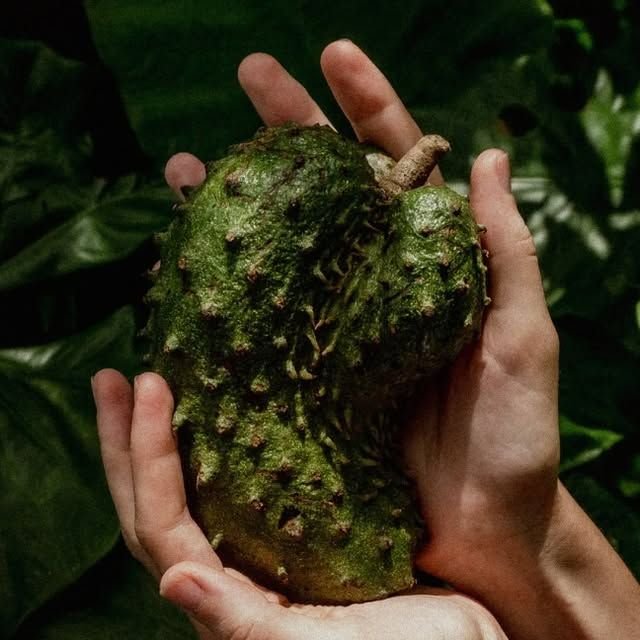
Here are current clinical trials using the Graviola plant in cancer treatment:
-
Location: Brazil
Trial Status: Ongoing (Recruiting)
Objective: This clinical trial investigates the potential efficacy of graviola leaf extract for breast cancer patients, focusing on its ability to reduce tumor size in combination with chemotherapy.
Positive Outcome: In early results, patients showed a modest reduction in tumor size and a general improvement in well-being when graviola was added to their treatment regimen. However, the results were not statistically significant enough to declare a conclusive therapeutic effect.
Status: Ongoing. The trial is still in progress and may provide more data on its potential.
-
Location: Mexico
Trial Status: Ongoing (Recruiting)
Objective: This study aims to assess whether graviola extract can improve the outcomes of pancreatic cancer treatment, particularly by reducing tumor growth and enhancing the effects of chemotherapy.
Positive Outcome: Early data from this study suggested that graviola extract may help in controlling tumor growth, particularly in patients with advanced-stage pancreatic cancer, and might help reduce chemotherapy-related symptoms like nausea and fatigue.
Status: Results are still preliminary, but some positive effects have been reported. The trial is ongoing, and further results will be evaluated.
-
Location: India
Trial Status: Ongoing (Recruiting)
Objective: This trial explores the potential of graviola leaf extract for chemoresistant cancers such as ovarian and lung cancer, particularly focusing on its ability to reduce resistance to chemotherapy and improve treatment outcomes.
Positive Outcome: The early findings of this study are promising, showing that graviola may have the ability to sensitize cancer cells to chemotherapy, making treatments more effective in chemoresistant cancer types. Some patients have shown reduced tumor markers, but more data is required for validation.
Status: The trial is still active and enrolling participants.
-
Location: Colombia
Trial Status: Ongoing (Recruiting)
Objective: The focus of this trial is to examine whether graviola extract can slow down tumor progression in liver cancer (Hepatocellular carcinoma) patients when used alongside traditional treatments.
Positive Outcome: Some early-stage participants have reported slower tumor progression and an improvement in quality of life during treatment with graviola. However, the results are preliminary and need further confirmation.
Status: The study is ongoing, and results are awaited.
-
Location: United States
Trial Status: Completed, with data collection still in progress
Objective: This trial investigated whether graviola leaf extract can enhance the effects of chemotherapy in patients with advanced non-small cell lung cancer (NSCLC).
Positive Outcome: In preliminary findings, some patients experienced a reduction in tumor size and improved energy levels, suggesting potential benefits when graviola was added to their treatment. However, the study did not show significant overall survival improvement.
Status: Results are still under review, and the data collection is ongoing.
Summary of Human Clinical Trial Results:
Early Positive Signs: Some clinical trials have shown that graviola extract may have the potential to enhance chemotherapy effectiveness and reduce tumor size in certain cancers, such as breast, pancreatic, liver, and lung cancer.
Adjunct Therapy: Graviola has generally been studied as an adjunct therapy in combination with chemotherapy or other conventional treatments, rather than as a standalone treatment. This combination approach appears to show positive results in some trials, particularly in terms of improving patient quality of life and symptom management.
Promising but Inconclusive: Although the results are promising in some studies, the evidence is still preliminary, with many trials being small-scale or in the early stages of recruitment. The long-term efficacy and safety of graviola in cancer therapy remain uncertain.
Need for More Research: Larger, well-designed, and longer-term clinical trials are needed to establish whether graviola can be an effective treatment for cancer in humans. Most current trials are in Phase I or Phase II, which focus on safety and preliminary efficacy.
Disclaimer:
The information provided on this website is for educational and informational purposes only and is not intended as medical advice. While we strive to provide accurate, up-to-date information on various cancer therapies, including both traditional and alternative options, this content should not be used as a substitute for professional medical consultation, diagnosis, or treatment.
We strongly recommend that users consult with qualified healthcare providers before making any healthcare decisions, including but not limited to: starting or stopping any new or existing cancer treatments. Every individual’s health situation is unique, and only a licensed medical professional can provide tailored guidance.
Our goal is to inform and empower, but we cannot guarantee the effectiveness or safety of any therapy discussed on this site. Reliance on any information provided by this website is solely at your own risk.
Some content on this website has been generated or assisted by artificial intelligence, and then has been internally reviewed. Any resemblance to copyrighted material is purely coincidental and unintentional. If you believe any content infringes on intellectual property rights, please contact us for resolution.